Decorative Give Thanks: Graphics and Crafts for Seasonal Design
As a designer working on seasonal campaigns, branding, and print-on-demand projects, I always look for versatile and visually appealing design assets. Decorative Give Thanks caught my attention as a creative design that could enhance a variety of client projects. Its clean lines, elegant style, and range of file formats make it a valuable addition to any graphic design asset library.
The First Impression: A Warm and Festive Visual Mood
From the first glance, Decorative Give Thanks exudes a warm and welcoming vibe. The design feels like a perfect blend of traditional and modern aesthetics, making it ideal for handmade businesses, small business branding, or seasonal marketing visuals. It carries a sense of nostalgia while maintaining a fresh, contemporary feel. The transparent background allows for seamless integration into various design contexts, from social media graphics to product mockups.
This design is particularly suited for projects that require a touch of elegance without being overly complex. It works well in brand identity, packaging design, and editorial layouts where visual interest and subtlety are key.
Real-World Applications: Where Decorative Give Thanks Shines
When considering real-world use, Decorative Give Thanks proves to be a flexible graphic design asset. It can be used in logo design, especially for businesses with a seasonal or holiday theme. Its structure makes it suitable for t-shirt design, sticker design, and even sublimation design, allowing for creative applications across multiple mediums.
For digital sellers and print-on-demand entrepreneurs, this design offers a ready-to-use printable design that can be adapted for Etsy products, Canva templates, or Cricut projects. It also fits well into social media graphics, blog visuals, and website graphics, where it can serve as a decorative accent or focal point.
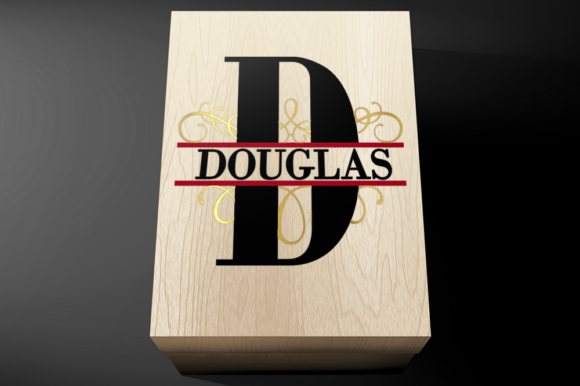
In packaging design, Decorative Give Thanks can add a refined touch to product labels or gift boxes. As a part of a design bundle, it complements other seasonal illustrations or clipart, helping to build cohesive themed collections.
Best Use Cases: Large Layouts and Themed Campaigns
Decorative Give Thanks excels in large layout areas, hero graphics, and product mockups. Its intricate details stand out when given space to breathe, making it an excellent choice for campaign visuals or themed collections. It also works well as a decorative accent in editorial design, adding a touch of sophistication to magazine spreads or online articles.
For commercial design and branding projects, this asset can serve as a supporting element that reinforces the overall aesthetic. It’s particularly useful in marketing visuals, where it can help create a more polished and professional look without overwhelming the message.
Where to Use With Caution: Minimalist and Corporate Projects
While Decorative Give Thanks is versatile, it may not be the best fit for every project. In minimalist branding or professional corporate materials, its ornate style could clash with the desired simplicity. Similarly, in low-contrast designs or crowded layouts, it might lose clarity and impact.
For projects requiring a very clean visual hierarchy, this design may need careful placement to avoid competing with other elements. It’s important to test it in different sizes and backgrounds to ensure it maintains its integrity across various applications.
Design Considerations: Readability and Brand Consistency
One of the key factors in using Decorative Give Thanks is ensuring it supports the overall brand identity. It should complement the typography, color scheme, and messaging of the project rather than overshadow them. When used in web design or digital ads, it should maintain readability and not distract from the primary content.
For small business branding, this design can help establish a recognizable visual language, especially for handmade businesses or seasonal ventures. It adds emotional appeal and can increase audience engagement when used thoughtfully in social media posts or Instagram content.
Practical Designer Notes: Testing and Licensing
Before finalizing Decorative Give Thanks for a client project, I recommend testing it in black and white to assess its contrast and legibility. Previewing it on both light and dark backgrounds will help determine how it performs in different environments.
It’s also essential to check how it looks at small and large sizes. If it’s intended for print-on-demand or merchandise, review the file formats—especially the PNG transparency and SVG editability—to ensure they meet the project’s requirements.
Compare it with different font styles, such as serif, sans serif, script, or display fonts, to see how it interacts with text. Confirm the commercial license is clear and suitable for the intended use, especially if it’s part of a larger design bundle or used in a client’s branding efforts.
Conclusion: A Thoughtful Addition to Your Design Toolkit
Decorative Give Thanks is a strong graphic design asset that can elevate a wide range of projects. Whether you're working on a handmade business, a seasonal campaign, or a digital product, it offers flexibility, style, and practicality. Its ability to adapt to different design contexts makes it a valuable tool for designers, marketers, and small business owners alike.
By understanding its strengths and limitations, you can make informed decisions about how to best incorporate it into your creative workflow. With proper testing and thoughtful application, Decorative Give Thanks can become a key element in your design arsenal, helping you deliver polished and professional results for your clients.