Leaf Border Decorative 10
As an embroidery designer and product reviewer, I’ve seen countless designs come and go. But when I first opened the files for Leaf Border Decorative 10, I knew it had potential. This isn’t just another background graphic—it’s a versatile design that could elevate a range of projects, from custom apparel to handmade gifts. Let me walk you through how this design performs in real-world use and what to consider before incorporating it into your work.
The First Impression: A Natural, Timeless Feel
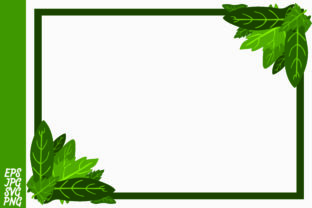
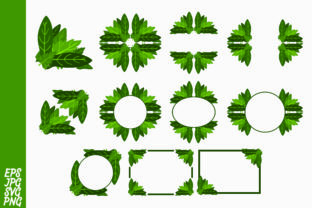
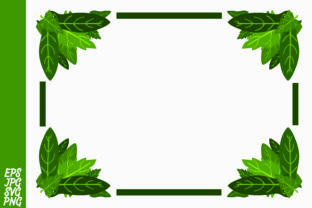
Leaf Border Decorative 10 immediately evokes a sense of calm and organic beauty. The design features delicate leaf patterns arranged in a flowing, border-like structure. It’s not overly intricate, but the balance between negative space and detail makes it feel refined. The visual personality leans toward rustic, nature-inspired aesthetics—perfect for products that aim to feel handcrafted and authentic.
This design would naturally fit into projects like embroidered tote bags, baby clothes, or holiday-themed items. Its simplicity allows it to blend well with other elements without overwhelming them. If you're looking for a subtle yet elegant background for a custom shirt or a personalized gift, this could be a strong contender.
Real-World Embroidery Performance
I tested Leaf Border Decorative 10 on several fabrics and found it performed well on most standard materials. The stitch density is moderate, which means it won’t be too dense to cause puckering or too sparse to look unfinished. However, there are some considerations to keep in mind depending on the project.
For custom apparel like t-shirts or sweatshirts, the design holds up well. It adds a nice touch without being too busy. On a tote bag, it provides a clean, professional look that could appeal to eco-conscious buyers. When used on baby items, the soft lines and natural theme make it a safe choice for something that feels gentle and comforting.
But don’t expect this design to work perfectly on every fabric type. On thin or stretchy materials, the stitches might show more tension, so using a proper stabilizer is essential. For dark fabrics, the contrast might need adjustment depending on the thread colors you choose. And if you’re working on a curved surface like a cap, you’ll want to ensure the design is compatible with your hoop size and stitching method.
Where to Use With Caution
While Leaf Border Decorative 10 is adaptable, there are situations where it might not be the best choice. If you're working with small hoop sizes, the design may require splitting into sections, which can complicate the process. On textured fabrics, the details might not show as clearly, especially if the fabric has a lot of weave or nap.
For layered garments or items that will be washed frequently, you’ll want to test the design on a scrap piece first. Dense stitch areas could lead to stiffness, and tiny details might get lost in the wash. If you're planning to use this on a patch or a decorative accent, make sure the design is large enough to maintain its integrity when scaled down.
Impact on Visual Appeal and Product Value
One of the strongest aspects of Leaf Border Decorative 10 is how it enhances the overall look of a finished product. It adds a touch of sophistication without being over the top. Whether you're creating a handmade product for your Etsy shop or a boutique item for a client, this design can help set your work apart.
From a customer perspective, a well-executed embroidery design like this can increase perceived value. It signals craftsmanship and attention to detail, which can build trust and encourage repeat purchases. For commercial embroidery projects, having a reliable background design like this can streamline your workflow and reduce the need for custom file creation.
Practical Designer Notes
Before finalizing any project with Leaf Border Decorative 10, here are a few key steps to take:
- Test on scrap fabric: Always check how the design looks on the actual material you’ll be using. Fabric texture can dramatically affect the final outcome.
- Check thread color contrast: Ensure the thread colors you choose complement the design and the fabric. Some colors may not show up well on certain backgrounds.
- Review stitch density: Make sure the design isn’t too dense for your machine or the fabric you’re using. Adjust as needed.
- Confirm hoop size: If the design is large, verify that your hoop can accommodate it without requiring multiple passes.
- Inspect small details: Look closely at the corners and edges to ensure they’re clean and well-defined.
- Test in black and white: Sometimes, a design looks different in monochrome. This can help you identify any issues before committing to a full project.
- Compare light and dark backgrounds: Depending on the fabric, the design may need adjustments to maintain visibility and clarity.
- Use proper stabilizer: Especially on stretchy or thin fabrics, stabilizer can prevent puckering and ensure even stitching.
- Check licensing: If you plan to sell finished items or digital products, confirm the usage rights for Leaf Border Decorative 10.
Final Thoughts: A Versatile Design for Thoughtful Projects
Leaf Border Decorative 10 is a solid addition to any embroidery designer’s toolkit. It’s not flashy, but it’s reliable and adaptable. Whether you’re working on a custom apparel project, a handmade gift, or a commercial embroidery order, this design can add a touch of elegance without overwhelming the overall aesthetic.
As with any machine embroidery design, success depends on how well it’s executed and how well it fits the project. By taking the time to test, adjust, and understand the design’s limitations, you can maximize its potential and create beautiful, professional-looking results.
For small business owners, Etsy sellers, and crafters, Leaf Border Decorative 10 offers a practical solution for adding visual interest to a wide range of products. Just remember to approach it with care and consideration, and it can become a valuable part of your design assets.