Leaf Border Decorative 11: Graphics for Editorial and Website Use
As a blog designer and digital publisher, I’m always on the lookout for high-quality graphic design asset that can elevate editorial design and web design without overwhelming the content. Leaf Border Decorative 11 is one such asset that offers versatility across multiple publishing platforms. From blog graphics to social media graphics, this decorative border delivers a polished aesthetic that supports content marketing efforts with a touch of creative design.
The First Impression: A Subtle Yet Impactful Design
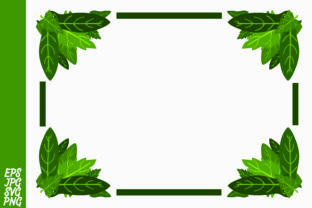
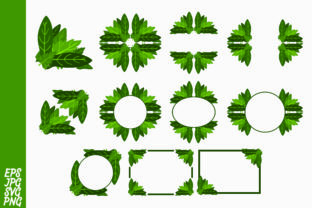
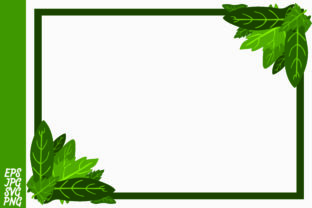
Leaf Border Decorative 11 immediately catches the eye with its elegant, natural motif. The design feels both modern and timeless, making it suitable for a range of niches. It evokes a lifestyle-focused or artistic mood, perfect for blogs centered around home decor, nature, wellness, or creative living. The subtle leaf pattern adds visual interest without distracting from the main message, which is essential for maintaining a clear visual hierarchy in editorial design.
This graphic design asset works well in content that aims to feel organic, inviting, and visually cohesive. Whether used as a website header or a Pinterest pin, it brings a sense of refinement that aligns with modern design trends.
Real-World Publishing Applications
Leaf Border Decorative 11 is ideal for a variety of publishing workflows. For bloggers, it can serve as a featured image or article header, adding a professional touch to posts about gardening, DIY projects, or eco-friendly living. When used in social media graphics, it enhances the visual appeal of posts while maintaining brand identity across platforms.
For content creators, this design asset can be integrated into digital guides, downloadable printables, or lead magnets. It also works well in Canva templates, allowing users to quickly apply a consistent look across their content. In affiliate marketing, the border can help differentiate product reviews or sponsored posts, reinforcing a more polished and trustworthy appearance.
As a digital product, Leaf Border Decorative 11 offers flexibility in formats—JPG, EPS, SVG, and PNG—ensuring compatibility with various design tools and publishing needs. This makes it a valuable addition to any creative marketplace portfolio.
Boosting Content Performance with Visual Hierarchy
One of the most important aspects of editorial design is creating a strong visual hierarchy. Leaf Border Decorative 11 helps achieve this by providing a subtle yet effective frame that draws attention to key elements without overpowering them. This is especially useful in content marketing where the goal is to guide readers through a page or post efficiently.
By using this design asset in website headers or article thumbnails, publishers can improve click-through potential and reader engagement. It also contributes to a more consistent brand identity, which is crucial for small business branding and online educators looking to establish a professional presence.
In newsletters, the border can act as a header or separator, improving readability and creating a more organized layout. For downloadable resources like worksheets or eBook covers, it adds an extra layer of polish that makes the content feel more valuable and credible.
Where Leaf Border Decorative 11 Shines
This graphic design asset excels in hero images, article thumbnails, and Pinterest pins where visual appeal is key. Its clean lines and natural theme make it ideal for category visuals, helping readers quickly identify content topics. As a digital guide element, it can be used to highlight key sections or introduce new content upgrades.
Leaf Border Decorative 11 also works well in social media previews, where a strong first impression can drive engagement. When paired with a compelling headline, it enhances the overall presentation of a post, making it more shareable and clickable.
When to Use with Caution
While Leaf Border Decorative 11 is versatile, it may not be the best choice for every situation. On small mobile thumbnails, the detail might get lost, so testing is essential. In text-heavy blog images, the border could compete with the main content, reducing readability.
It’s also advisable to avoid using it in low-contrast backgrounds or busy layouts where it might clash with other design elements. For serious professional niches or corporate content, a more minimal visual system might be preferable.
Publisher Notes: Testing and Optimization
Before finalizing Leaf Border Decorative 11 for a project, I recommend testing it on both desktop and mobile screens to ensure it looks good at all sizes. Preview it inside a real blog layout to see how it interacts with other elements like headlines, body text, and background colors.
Check how it looks with different font styles—serif, sans serif, script, handwritten, and display fonts—to find the best combination. Also, review the file size for web performance and compress images where necessary to maintain fast loading times.
Finally, confirm the commercial license before using it on monetized websites, affiliate pages, or paid content products. This ensures that the design asset can be used freely without legal concerns.
Conclusion: A Versatile Asset for Creative Publishing
Leaf Border Decorative 11 is a powerful graphic design asset that can enhance the visual appeal of blogs, websites, and digital content. Its ability to support editorial design, web design, and content marketing makes it a valuable tool for publishers, designers, and small business owners alike.
Whether used as a website header, a Pinterest pin, or a downloadable printable, it adds a touch of creativity and professionalism that can elevate any content strategy. With careful consideration and proper testing, this design asset can become a staple in your creative marketplace toolkit.